
Abu Dhabi, United Arab Emirates. STANDARD CONSTRUCTION SPECIFICATIONS (PART 1 — ROADS, Second Edition 2020) — page 42
W
ORKS
Second Edition -SEP 2020
AASHTO
Designation
ASTM
Designation
Title
ASTM C566 -
13
Standard Test Method for Total Evaporable Moisture
Content of Aggregate by Drying
ASTM C172 /
C172M - 10
Standard Practice for Sampling Freshly Mixed Concrete
ASTM C231 /
C231M - 10
Standard Test Method for Air Content of Freshly Mixed
Concrete by the Pressure Method
ASTM C173 /
C173M - 12
Standard Test Method for Air Content of Freshly Mixed
Concrete by the Volumetric Method
ASTM C138 /
C138M - 13a
Standard Test Method for Density (Unit Weight), Yield,
and Air Content (Gravimetric) of Concrete
ASTM C1064 /
C1064M - 12
Standard Test Method for Temperature of Freshly Mixed
Hydraulic-Cement Concrete
ASTM C31 /
C31M - 12
Standard Practice for Making and Curing Concrete Test
Specimens in the Field
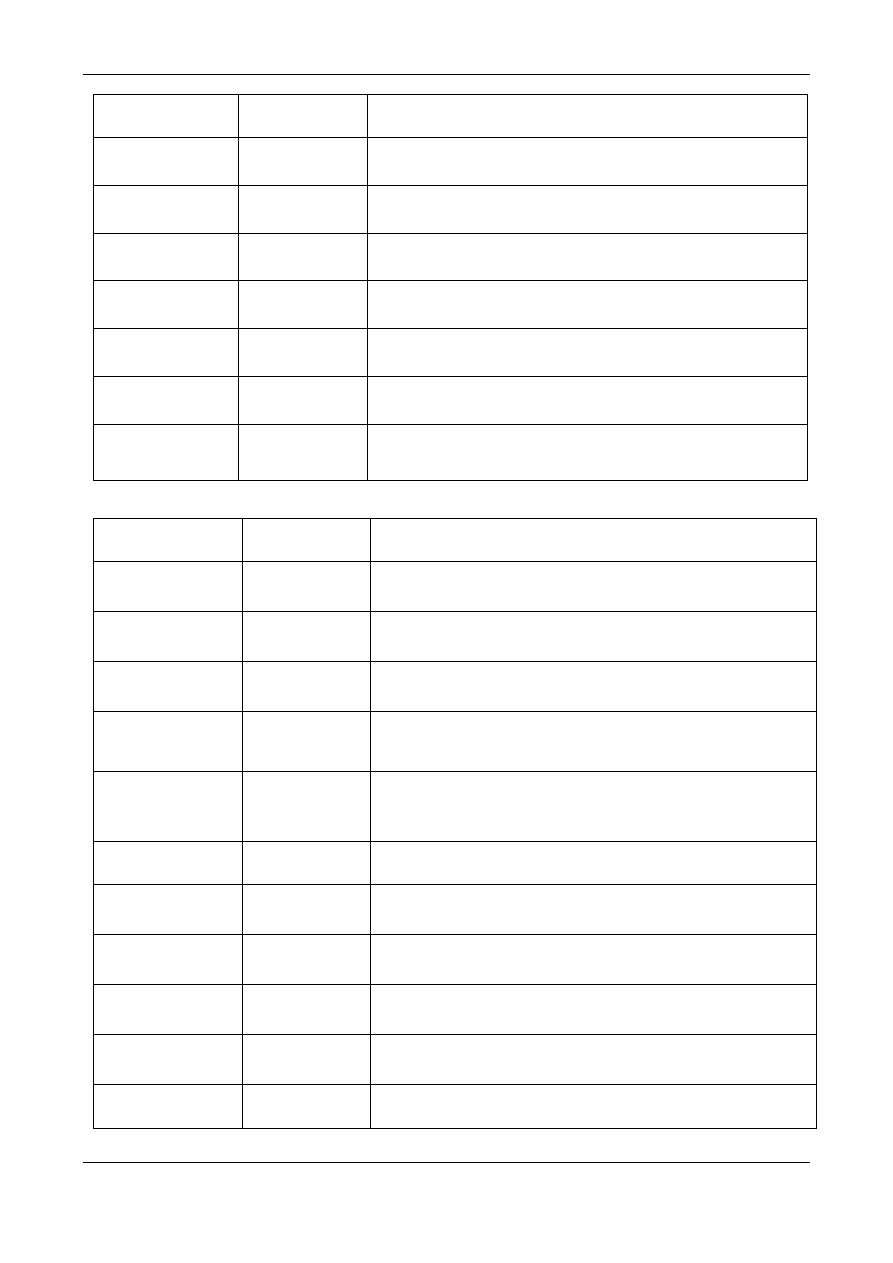
Table 4-2: Designations and titles for BS and BS EN standards that apply to concrete works
BS
Designation
BS EN
Designation
Title
BS 1881-122:2011
Testing concrete. Method for determination of water
absorption.
BS EN 206-
1.2000
Concrete: Specification, performance, production & conformity.
BS 8500-1-
2006+A1:2012
Complementary British Standard to BS EN 206-1. Method of
specifying and guidance for the specifier.
BS EN 998-1-
2010
Specification for mortar for masonry. Rendering and plastering
mortar.
BS EN 934-3 / 2003
Admixtures for concrete, mortar and grout. Admixtures for
masonry mortar. Definitions, requirements, conformity, marking
and labelling.
BS 1305 / 1974
Specification for batch type concrete mixers (withdrawn)
BS EN 12390-1 /
12
Testing hardened concrete. Shape, dimensions and other
requirements for specimens and moulds
BS EN 12390-2 /
2009
Testing hardened concrete. Making and curing specimens for
strength tests
BS EN 12390-3 /
2009
Testing hardened concrete. Compressive strength of test
specimens
BS 4978 2007+A1
2011
Visual strength grading of softwood. Specification.
BS EN 338 /2009
Structural timber. Strength classes.

W
ORKS
Second Edition -SEP 2020
BS
Designation
BS EN
Designation
Title
BS 5756+A1/ 2011
Visual strength grading of hardwood. Specification.
BS EN 14081
+A1 12
Timber structures. Strength graded structural timber with
rectangular cross section. Machine grading; additional
requirements for initial type testing.
4.3
Materials
All materials to be incorporated in the concrete work shall be as shown on the Contract plans, as
specified herein, as may be specified in the Particular Specifications, and as approved by the
Engineer.
Materials shall be delivered, stored, and handled so as to ensure the preservation of their quality
and their fitness for the work. Materials, even though approved before storage or handling, may
again be inspected and tested prior to use in the work. Stored materials shall be located so as to
facilitate their prompt and easy inspection. All storage sites shall be restored to their original
conditions at the Contractor's expense prior to acceptance of the work.
Materials that fail to comply with the requirements of these Standard Specifications will be rejected
by the Engineer and shall be removed immediately from the site of the works, unless otherwise
instructed by the Engineer.
Rejected or unapproved materials shall not be incorporated into the work.
4.3.1
Portland Cement
Unless otherwise specified in the project particular specifications or other sections of these
specifications, cementitious materials shall be Portland cement conforming to the following
requirements:
1. Type I as per ASTM C150 / C150M
– 12 with the percentages of supplemental cementitious
materials (GGBS or Fly Ash) as per table 4-16.
2. Where specified, Type II or Type V cement shall be as per ASTM C-150 /C150M and Type MS
or Type HS (Moderate Sulphate Resistance or High Sulphate Resistance) as per ASTM
C1157M.
The following exceptions apply:
a. Bags shall contain 50kg ±1%; barrels or containers shall contain multiples thereof
b. Tricalcium aluminate (C
3
Al) shall not exceed 8% by weight, see Equation 1.
c. Alkalis shall not exceed 0.75% by weight, see Equation 2. If the content of alkali is greater than
0.60% in Type V cement, tests shall be carried out according to ASTM C227 with the
aggregates to be used
Tricalcium aluminate (C
3
Al) shall be calculated per Equation 1.
𝐶
3
𝐴𝑙 = 2.650𝐴𝑙
2
𝑂
3
− 1.692𝐹𝑒
2
𝑂
3
Equation 1: Tricalcium alumninate calculation
Alkalis shall be calculated per Equation 2.
𝐴𝑙𝑘𝑎𝑙𝑖𝑠 = 𝑁𝑎
2
𝑂 + 0.658𝐾
2
𝑂
Equation 2: Alikalis calculation
Time of setting shall be determined by the Vicat test method, AASHTO T 131 or ASTM C191.
W
ORKS
Second Edition -SEP 2020
One brand of cement, as approved by the Engineer, shall be used for all concrete works throughout
the project unless otherwise authorised in writing by the Engineer. Cement of different types or
brands shall not be intermingled or used in the same batch. Sacked or bulk cement may be used;
however, the use of fractional bags of sacked cement shall not be permitted unless the Contractor
elects to weigh the cement into each batch.
Cement entering the mixers shall not have a temperature that exceeds 45° C.
Water-soluble chloride ion (Cl
-
) content totals within the mixed concrete shall not exceed 0.06 % by
weight of cementitious material for prestressed concrete or 0.10 % by weight of cementitious material
for reinforced concrete. An initial evaluation may be obtained by testing individual concrete
ingredients for total chloride ion content per AASHTO T 260 and totalling these to determine the total
water-soluble chloride ion (Cl
-
) or the total water-soluble chloride ion (Cl
-
) in accordance with ASTM
C1218M.
Processing addition amounts used shall comply with ASTM C465, and shall not exceed 1 % of the
weight of Portland cement clinker and 3 % cement kiln dust by mass of the cement.
In addition to ASTM C150 / C150M - 12, requirements of ASTM C465 shall be met when the following
actions are taken:
1. Adding 1 % to 5 % of an inorganic processing addition, such as fly ash or ground granulated
blast-furnace slag. Control cement shall be CC1 or CC2
2. Adding 1 % to 5 % inorganic processing addition and 1 % to 5 % limestone addition. Control
cement shall be CC1
When adding 1 % to 5 % limestone to a cement already containing an inorganic processing addition
that meets ASTM C465, the blended cement shall meet ASTM C465 mortar/paste testing
requirements, but it is not required to pass the fineness tolerances. Control cement shall be
composed of either CC1 or CC2.
Control cement types shall be defined as follows:
a. CC1: Clinker + organic grinding aid that meets ASTM C465 + gypsum,
b. CC2: Clinker + organic grinding aid that meets ASTM C465 + gypsum + limestone that meets
ASTM C465 mortar/paste requirements
c. CC3: Clinker + organic grinding aid that meets ASTM C465 + gypsum + inorganic processing
addition that meets ASTM C465
For cements with limestone additions, corrected percent limestone shall be reported to accurately
reflect the total amount of limestone added. Difference between background or baseline loss on
ignition (pre-limestone addition) and the total loss on ignition (after limestone addition) shall be
reported as the corrected percent limestone.
4.3.1.1
Low-alkali Cement
When the Particular Specifications require low-alkali cement, the percentage of alkalis in the cement,
calculated per Equation 2, shall not exceed 0.60 % by weight. This limitation shall apply to all types
of Portland cement.
4.3.1.2
Blended Hydraulic Cement
Blended hydraulic cement may be used where shown in the Particular Specifications, or shown on
the Contract plans. Blended hydraulic cement may also be used as an option in limited applications
by the Contractor, if the Contracto
r’s usage proposal is specifically approved by the Engineer. As
an alternative to the use of fly ash, ground granulated blast-furnace slag (GGBS) and cement as
separate components, a blended hydraulic cementitious material may be used.
When both GGBS and fly ash are included in the concrete mix, the total weight of both these
materials is limited to 35 % by weight of the total cementitious material.
W
ORKS
Second Edition -SEP 2020
Blended hydraulic cement shall provide either moderate sulphate resistance (MS) or high sulfate
resistance (HS) and conform to AASHTO M 240, or ASTM C1157, except that the content of alkalis,
calculated per Equation 2, shall not exceed 0.75 % by weight, and except that the content of
tricalcium aluminate, calculated per Equation 1, shall not exceed 8 % by weight. Source and weight
of the fly ash or GGBS shall be certified on the cement mill test certificate and shall be reported as
a percentage by weight of the total cementitious material. Fly ash or GGBS constituent content in
the finished cement shall not vary more than ± 5 % by weight of the finished cement from the certified
value.
4.3.1.3
Packaging and Marking
Cementitious material shall be delivered to the site of the works in sealed bags or water-tight barrels
bearing the manufacturer's name, cement type, date of manufacture, and mill test report number.
4.3.1.4
Sampling, Testing, and Acceptance
Representative samples of each material, at least 1 kg in size of each colour and type of cementitious
material with corresponding mill certificates and material safety data sheets (MSDS) shall be
submitted by the Contractor for laboratory testing and evaluation and to the Engineer for approval.
Each mixing facility or plant using Portland cement shall be equipped with a suitable means or device
for obtaining a representative sample of the cementitious material. This device shall enable the
sample to be readily taken in proximity to the cementitious material weigh hopper and from a
container or conveyor holding only cementitious material.
Cementitious material shall be sampled by the Engineer during the course of a project to ensure
continued compliance. Sample material may be taken by the Engineer from the plant, terminal,
transportation containers, concrete plants, and the site of the works to verify compliance with these
Standard Specifications. Sampling, testing, and processing costs shall be borne by the Contractor.
Cementitious material shall be accepted on the basis of the Engineer
’s approval of the Contractor’s
material submittal. A part or the whole of any consignment of cementitious materials may be rejected
by the Engineer if the Engineer considers it unsuitable for use in the works.
Cementitious material sources shall be subject to the Engineer's approval, which shall be based
upon the following items, furnished by the Contractor for all cementitious material batches delivered
to site:
1. Manufacturer's mill test report number indicating full conformance to these Standard
Specifications
2. Date of manufacture, certified by an independent agency in the country of origin.
All shipments of cementitious material shall be identified by the applicable mill test report number.
Contractor shall submit to the Engineer for acceptance monthly samples for all certified cementitious
materials. Monthly samples shall be received by the 15th of each month. Random sampling of
materials for testing and random audits of test reports may be conducted by the Engineer. For each
type of cementitious material, the Contractor shall submit the following to the Engineer:
a. Monthly mill certificate that shows the following:
1. Cementitious material meets the requirements of this specification
2. Minimum, maximum, and average values for equivalent alkalis obtained from quality control
tests or a calculated value for maximum total alkali, based on a 95 % confidence level
3. Average tricalcium aluminate (C
3
Al) content for Type III (MS) cementitious material meets
the requirements of ASTM C150 / C150M
– 12 Table 2
b. Written notification of changes in clinker source or other major production changes
c. Annual test reports, if applicable, for the following:
1. ASTM C563
W
ORKS
Second Edition -SEP 2020
2. ASTM C1038M
3. ASTM C265
4. ASTM C1157
d. Test reports, if applicable, for processing additions using ASTM C465
4.3.1.5
Storage
During transport and storage, the cementitious material shall be fully protected from rain and
dampness.
Cementitious material shall be stored on the site of the works in a manner that permits easy access
for inspection and identification. Storage areas and associated facilities shall be:
a. Perfectly dry and waterproof, to provide constant protection from rain, high-humidity
atmosphere, and other factors that may promote deterioration of the cementitious material
b. Provided with temperature and humidity control devices
c. Large enough to hold the amount of cementitious material required for the largest unit to be
cast
d. Erected with the floors raised well above the ground
e. Used exclusively for the storage of cementitious material
f. On or near the site of the works
g. Stacked with bags of cementitious material in piles not more than eight bags high
h. Easy to access, with free passage of at least 1 m between the cementitious material and the
side walls and access ways between containers, such that every container is visible.
i. Organised such that each consignment of cementitious material is stored separately
1. Consignments shall be used in the order in which they are delivered
2. Each type, colour, and brand of cementitious material shall be located in a separate storage
silo
3. Conveying equipment shall be required for each type and/or colour of cementitious material
j. Permanently equipped with Contractor-provided weighing machines that shall be for checking
the weight of the cementitious material containers
k. Accessible by the Engineer at all times
l. Be dismantled and removed, the foundations broken up, and the site restored to its original
condition by the Contractor
m. Remain the property of the Contractor at the completion of the works
Cementitious material that, in the opinion of the Engineer, contains lumps that shall not be pulverised
in the mixer shall be rejected and removed from the site at the Contractor
’s own expense. Type II
Portland cement stored by the Contractor for longer than 60 days shall be held for retest. If tests
show the cement has lost strength during the period of storage, the cement may be rejected, or
sufficient additional cement, as determined by the Engineer, shall be added to the mix at the
Contractor
’s expense to overcome such loss.
Cementitious material delivered by bulk carriers shall be stored in silos made for cementitious
material storage, and be suitable for the climatic conditions of the Emirate. Cementitious material
shall be handled in bulk by use of air-veyors, augerscrew conveyors, enclosed bucket, or enclosed
belt conveyors. All operations for the handling of bulk cementitious material shall be by methods that
prevent contamination of the cementitious material. Cementitious material storage silos with interior
moisture control devices that keep the cementitious material dry and prevent premature hydration in
W
ORKS
Second Edition -SEP 2020
the silos shall be provided. Silos with access ladders and entry ways so that samples can be
extracted from various levels of each silo for testing purposes shall be provided.
4.3.2
Fly Ash
Fly ash, if used, shall not exceed 30 % by weight of the total cementitious material in any given
concrete mix design. Fly ash shall conform to the requirements of AASHTO M 295 Class C or Class
F, including optional chemical requirements as set forth in Table 2 of the standard, and with a further
limitation that the loss on ignition shall be a maximum of 1.5 %. Fly ash and cement shall be added
separately to the concrete mix at the batch plant. The cement used shall be Type I Portland cement
unless otherwise specified.
4.3.2.1
Class C and Class F
Classification of the fly ash shall be based on chemical composition. Both classes of fly ash shall
meet all the physical and chemical requirements of both ASTM C 618 and the following Table 4-3:
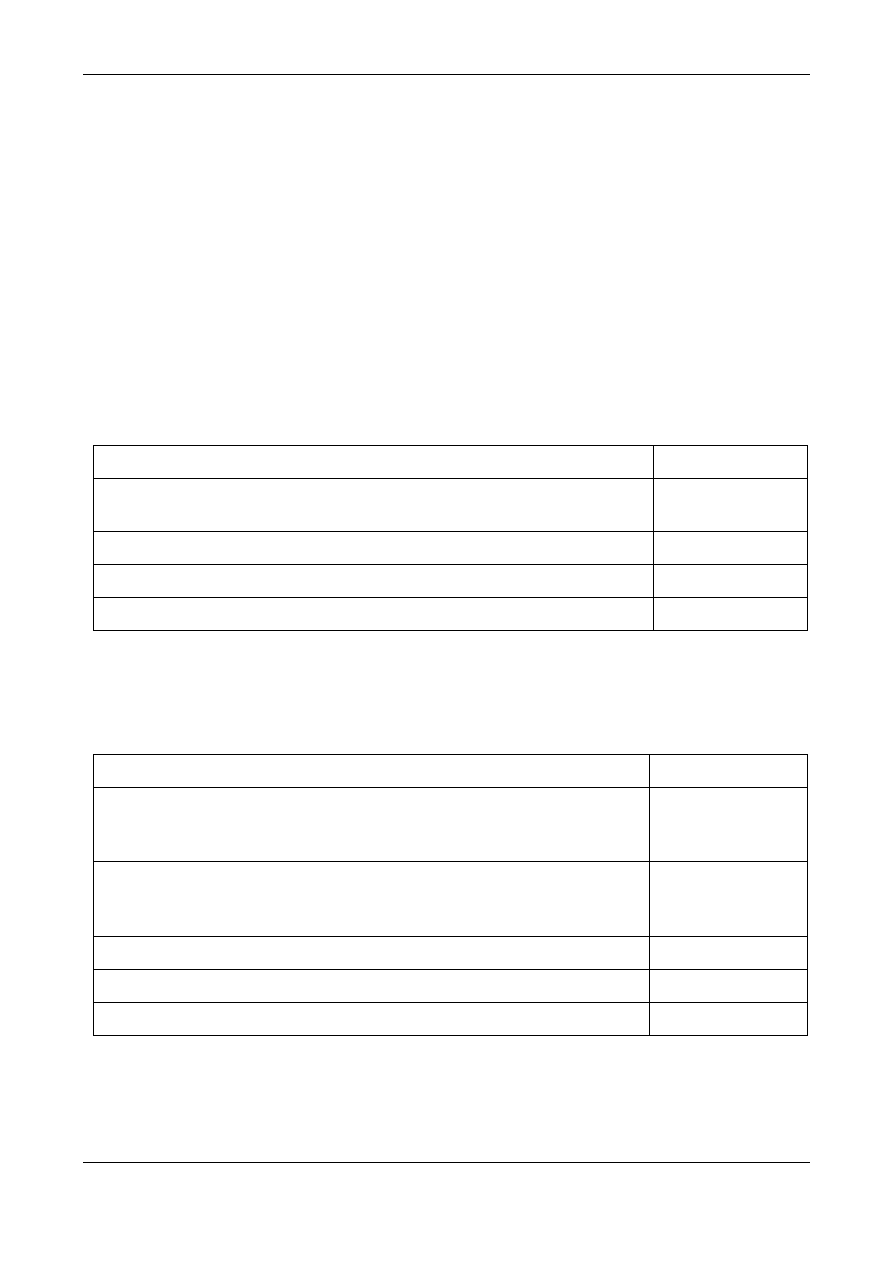
Table 4-3: Supplementary Class C and Class F specification requirements
Item
Limit
Calcium oxide (CaO) variation in percentage points of CaO from the average of the
last 10 samples (or less, if 10 have not been tested) must not exceed
± 4.0
Moisture content, maximum
2.0 %
Loss on ignition, maximum
3.0 %
Increase of drying shrinkage of mortar bars at 28 days, maximum
0.03 %
4.3.2.2
Ultra-fine
Ultra-fine fly ash shall conform to the requirements listed above for Class F fly ash, with the
exceptions and additions listed in Table 4-4.
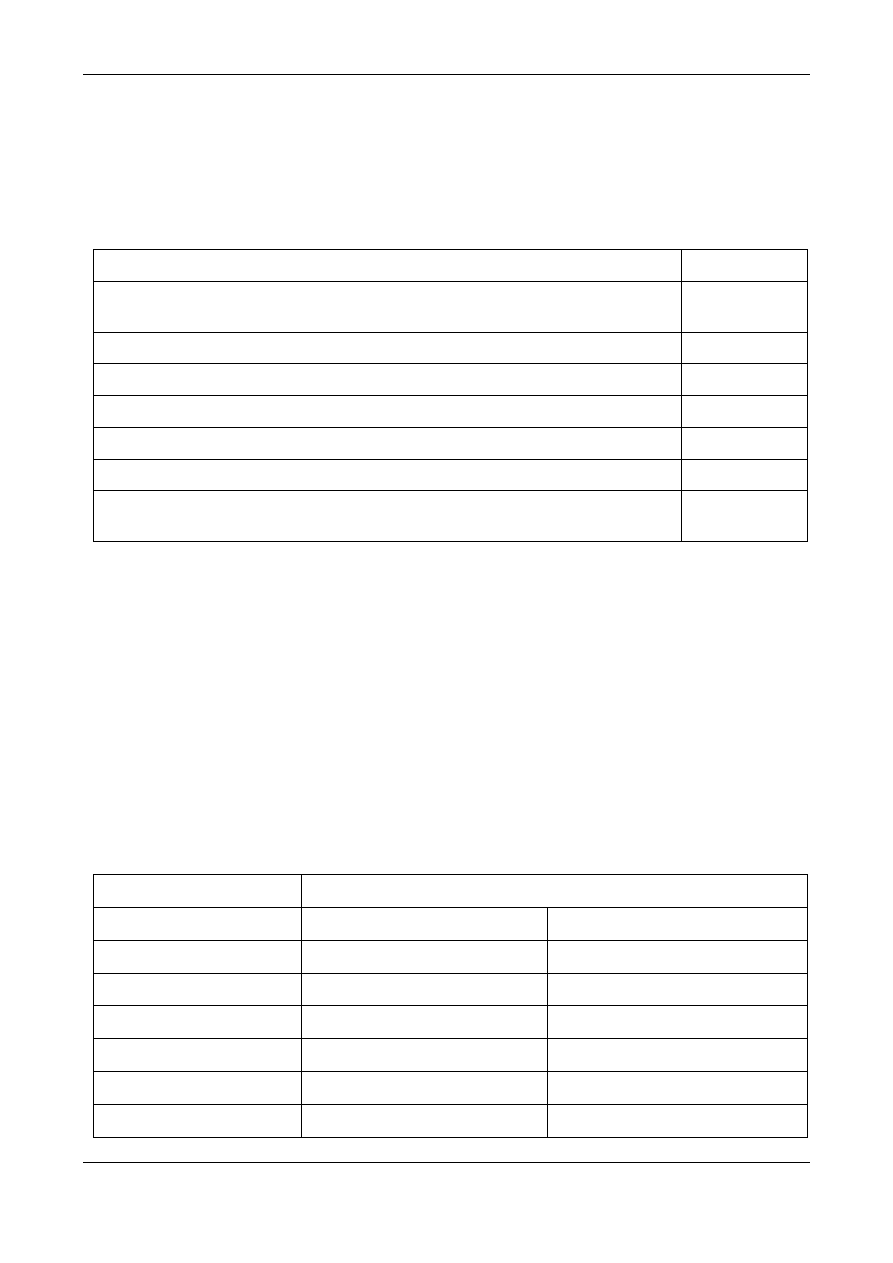
Table 4-4: Additional ultra-fine specification requirements
Item
Limit
Pozzolanic activity index
•
7-day, minimum
•
28-day, minimum
85 % of control
95 % of control
Particle size distribution, as measured by laser particle size analyzer
•
particles less than 3.25 microns, minimum
•
particles less than 8.50 microns, minimum
50.0 %
90.0 %
Fineness, amount retained when wet-sieved on 45-
μm sieve, maximum
6.0 %
Moisture content, maximum
1.0 %
Loss on ignition, maximum
2.0 %
4.3.2.3
Modified F
Modified F fly ash shall consist of Class F fly ash blended by grinding with no more than 10 %
cementitious material, with or without approved accelerating and water-reducing admixtures, and
conforming to the requirements listed above for Class F fly ash, with the exceptions and additions
listed in Table 4-5.

W
ORKS
Second Edition -SEP 2020
Table 4-5: Additional Modified F specification requirements
Item
Limit
Pozzolanic activity index
•
3-day, minimum
•
28-day, minimum
70 % of control
95 % of control
Alkali content, maximum
1.5 %
4.3.2.4
Sampling, Testing, and Acceptance
Representative samples, measuring at least 1 kg in size, of each colour and type of material shall
be submitted by the Contractor for laboratory testing and evaluation, with accompanying material
safety data sheet (MSDS) information. Sampling shall be per ASTM C311.
Fly ash shall be sampled by the Engineer during the course of a project to ensure continued
compliance. Material from the plant, terminal, transportation containers, and the site of the works
may be sampled by the Engineer to verify compliance with these standard specifications.
Producers shall submit monthly samples for all types of fly ash. Monthly samples shall be received
by the 15th of each month. Engineer reserves the right to conduct random sampling of the materials
for testing and to perform random audits of test reports. Sampling, testing, and processing costs
shall be borne by the source owner.
Fly ash shall be accepted on the basis of the Engineer
’s approval of a request for approval of
materials. A part or the whole of any consignment of fly ash may be rejected by the Engineer if the
Engineer considers it unsuitable for use in the works. Fly ash sources shall be subject to the
Engineer
’s approval and based upon the following items furnished by the Contractor at all times:
1. Name, address, and contact information of the supplier
2. Name and location of the power plant
3. Coal origin and classification being used by the plant
4. Class of fly ash being collected
Fly ash shall conform to ASTM C618 and these Standard Specifications.
For each type of fly ash, monthly composite samples shall be submitted to the Engineer. Monthly
samples shall be received by the 15th of each month. Engineer reserves the right to conduct random
sampling of materials for testing and to perform random audits of test reports. Contractor shall submit
the following to the Engineer:
a. Monthly mill certificate showing that the fly ash complies with these Standard Specifications
b. Monthly test report with the following information:
1. coal origin
2. test date
3. results of all specified physical and chemical requirements, except available alkalis, but
including “supplementary specification requirements” in the referenced standards
c. Monthly split sample from the same material used to generate the monthly test report
Contractor shall notify the Engineer when a change in production occurs. This includes, but is not
limited to, changes in a coal source or the major alteration of plant operations.
4.3.2.5
Storage on the Site of the Works
Fly ash shall be stored in compliance with Article 4.3.1.5 of these Standard Specifications.
W
ORKS
Second Edition -SEP 2020
4.3.3
Ground Granulated Blast-furnace Slag
When used, ground granulated blast-furnace slag (GGBS) shall be 65 % by weight of the total
cementitious material in any given concrete mix design. GGBS grades and the source and type of
manufacturing facility shall be certified on the GGBS mill test certificate. Cement and GGBS shall
be added to the mix separately at the batch plant. The cement used shall be Type I Portland cement
unless otherwise specified. The
Alumina content (AL
2
O
3
) of GGBS shall not exceed 14%.
4.3.3.1
Sampling, Testing, and Acceptance
Sampling shall meet the requirements for sampling fly ash in Article 4.3.2.4, except that 2 samples,
each at least 1 kg in size, shall be required.
GGBS shall be accepted on the basis of the Engineer
’s approval of a request for approval of
materials. GGBS shall meet the requirements of AASHTO M 302, Grade 100 or Grade 120, and
reporting requirements shall consist of the producer providing the following:
1. Monthly mill certificate certifying that the GGBS meets the requirements of AASHTO M 302,
Grade 100 or Grade 120
2. Written notification of any major production change
4.3.3.2
Storage on the Site of the Works
GGBS shall be stored in compliance with Article 4.3.14.3.1.5.
4.3.4
Microsilica Fume
When used, the microsilica fume shall be 5% by weight of the total cementitious material in any given
concrete mix design.
Microsilica fume is a hazardous substance. To avoid inhalation of the dust, microsilica fume shall
only be accepted on the site of the works, stored, and used in the form of a slurry, called slurried
microsilica fume.
Slurried microsilica fume shall conform to the requirements of AASHTO M 307. An optional physical
requirement for reactivity with cement alkalis set forth in Table 3 of the standard shall be required
when slurried microsilica fume is being used as an alkali silica reaction (ASR) mitigation measure.
ASR is an expansion mechanism that occurs over time in which the alkaline cement paste reacts
with silica in the aggregate or other concrete constituents causing spalling, loss of strength, and even
failure of the concrete.
4.3.4.1
Sampling, Testing, and Acceptance
Sampling shall meet the requirements for sampling fly ash, per Article 4.3.2.4, except that 2 samples,
each at least 1 kg in size, shall be required.
Slurried microsilica fume will be accepted on the basis of the Engineer
’s approval of the Contractor’s
material submittal. Slurried microsilica fume shall meet the requirements of AASHTO M 307, and no
additional reporting shall be required after qualification, except that the producer shall inform the
Engineer in writing of any major change in operations.
4.3.4.2
Storage on the Site of the Works
Silica fume shall be stored in compliance with Article 4.3.14.3.1.5.
4.3.5
Metakaolin
Metakaolin may be used as an alternative for slurried microsilica fume.
W
ORKS
Second Edition -SEP 2020
4.3.5.1
Sampling, Testing, and Acceptance
Sampling shall meet the requirements for sampling fly ash, per Article 4.3.2.4, except that 2 samples,
each at least 1 kg in size, shall be required.
Metakaolin shall meet the requirements of ASTM C311 and ASTM C618, Class N, with the
modifications listed in Table 4-6.
Table 4-6: Modified metakaolin specification requirements
Item
Limit
Silicon dioxide (SiO2) + aluminium oxide (Al2O3) + iron oxide (Fe2O3),
minimum
85.0 %
Available alkalis, maximum
1.0 %
Loss on Ignition, maximum
3.0 %
Fineness: amount retained when wet-sieved on 45-
μm sieve, maximum
1.0 %
Strength activity index, at 7 days
85 % of control
Increase of drying shrinkage of mortar bars at 28 days, maximum
0.03 %
Density variation in percentage points of density from the average of the last 10
samples (or less, if 10 have not been tested) must not exceed
± 5
Tests and acceptance shall be per Article 4.3.2.4 except that metakaolin shall meet the requirements
of ASTM C311 and these Standard Specifications, and no additional reporting shall be required after
qualification, except that the Contractor shall inform the Engineer in writing of any major change in
operations.
4.3.5.2
Storage on the Site of the Works
Metakaolin shall be stored in compliance with Article 4.3.1.5.
4.3.6
Admixtures
Admixtures are part of the mix design. All tests, including tests for compressive strength, shall be
carried out for all concrete with admixtures. Any change to the brand or type of cementitious material
shall require retesting of the concrete mix to ensure compliance with these Standard Specifications.
Admixtures for use in concrete shall meet the specifications described in Table 4-7 and Table 4-8.
Accelerators shall not be used, except as noted in Table 4-7.
Table 4-7: Requirements for admixtures for concrete
Admixture
Specification (meet AASHTO or ASTM requirements)
Air-entrainer
AASHTO M 154
ASTM C260M
Corrosion inhibitor
ASTM G109
Water reducer
AASHTO M 194M Type A
ASTM C494M Type A
Set retarder
AASHTO M 194M Type B
ASTM C494M Type B
*Accelerator
AASHTO M 194M Type C
ASTM C494M Type C
Water reducer/set retarder
AASHTO M 194M Type D
ASTM C494M Type D
*Water reducer/accelerator
AASHTO M 194M Type E
ASTM C494M Type E
W
ORKS
Second Edition -SEP 2020
Admixture
Specification (meet AASHTO or ASTM requirements)
High range water reducer
AASHTO M 194M Type F and G
ASTM C494M Type F and G
*Only non-chloride accelerating admixtures shall be used. Accelerating admixtures are only allowed for
use in the following applications: in controlled-density fill, in accordance with Article
4.3.10.3 and in
Portland cement concrete pavement in accordance with Section 3.8.
Table 4-8: Latex additive requirements
Property
Value
Total solids, minimum
47 %
pH
9.0 to 11.0
Brookfield viscosity (#No. 1 spindle @ 10rpm), maximum
60 MPa·s
Butadiene content
30 % to 40 %
Freeze-thaw stability, 2 cycles, maximum
0.1
Concrete admixtures shall be added to the concrete mix at the time of batching the concrete or in
accordance with the manufacturer’s written procedure and as approved by the Engineer. Modified
procedures shall not be used to add admixtures to the concrete until the Engineer has approved the
modifications in writing.
Use of admixtures shall conform to these additional requirements:
1. Admixtures shall contain less than 1 % chloride ion (Cl
-
) by weight of admixture
2. Air-entrained cement shall not be used to air-entrain concrete
3. Retarders shall not be used together with other admixtures in the same mix, unless approved
by the Engineer
4. Retarders used by the Contractor and approved by the Engineer shall comply with the
requirements of Type D, as specified in ASTM C494M
5. Any approved retarder in use shall be the responsibility of the Contractor, in strict accordance
with the manufacturer's instructions
6. Fluid content of admixtures shall be considered in the determination of water-to-cement ratios
Materials shall be delivered to the site of the works in sealed containers labelled with the
manufacturer’s name, the trade name of the product, the lot number, and shelf life of product, and
the mix ratio if applicable. Containers shall be kept tightly closed when not in use.
4.3.6.1
Sampling, Testing, and Acceptance
A 0.5 litre sample shall be submitted to the Engineer for testing and approval, with accompanying
material safety data sheets, at least 10 days prior to use.
Random sampling of approved certified materials for testing and performing random audits of test
reports is the right of the Engineer, who may sample material from the manufacturing plant, the site
of the works, and the warehouse. Sampling, testing, and processing costs shall be borne by the
source owner.
Acceptance of admixtures shall be based on the manufacturer’s certificate of compliance
demonstrating conformance to these standard specifications and the fulfilment of the requirements
of Table 4-9. Prior to the use of any admixture, the Contractor shall submit to the Engineer for
approval evidence that all admixtures are compatible and will not adversely affect the air void system
of the hardened concrete when the Contractor is proposing to use admixtures from different
W
ORKS
Second Edition -SEP 2020
manufacturers. If the concrete requires air entrainment, the Contractor shall also submit evidence to
the Engineer that the admixture shall not adversely affect the air void system of the hardened
concrete. Test results complying with ASTM C457M shall be provided as evidence to satisfy this
requirement.
Testing samples to verify compliance with this specification is the right of the Engineer. In cases of
variance, the Engineer
’s tests shall govern.
Concrete made with waterproofing admixtures shall have a percent absorption after immersion and
boiling of less than 5.0 % at seven days and a volume of permeable voids less than 11.0 % at seven
days, per ASTM C642.
Table 4-9: Submittal for approval requirements for admixtures
Requirement
For materials
except latex
For latex
Name and information of company contact personnel
Product name
Polymer description
Chloride content of the product with a statement that no chloride has
been added during its manufacture
Copy of the manufacturer’s written procedure
Any proposed deviations from the manufacturer’s written procedures
Completed ASTM C494M or ASTM C260M test report from a certified
independent laboratory
Specification targets and production tolerances for the following properties:
Viscosity (including test method and temperature reference)
Percent solids
pH
Specific gravity
Colour and appearance
Infrared spectrophotometry scan
Styrene/butadiene ratio
To maintain approval status, the Contractor shall submit to the Engineer for approval:
•
Semi-annual notarised certifications in June and December stating that there has been no
chemical alteration of the product since its original submittal for approval
•
Any change in formulation or manufacturing process, which requires re-approval
4.3.6.2
Storage on the Site of the Works
Admixtures shall be stored in accord
ance with manufacturer’s recommendations. Admixtures shall
not be stored in direct sunlight, and they shall be prevented from freezing.
W
ORKS
Second Edition -SEP 2020
4.3.7
Aggregates for Cementitious Material Concrete
4.3.7.1
General
Aggregates shall consist of tough, hard, durable, and uncoated particles. All aggregates shall meet
the requirements as specified herein or in the project particular specifications.
To permit samples to be taken in the presence of an Engineer and Contractor representative, the
Contractor shall advise the Engineer of sources of aggregates sufficiently in advance of work.
Samples of the aggregates shall be tested and approved by the representative prior to delivery to
the site of the works. Approval of aggregate quality and gradation shall not waive the responsibility
of the Contractor to fabricate concrete to the strength specified.
Cementitious material concrete aggregates shall be manufactured from ledge rock, talus, or sand
and gravel in accordance with these Standard Specifications. Material from which concrete
aggregate is manufactured shall meet the Los Angeles wear requirements for 500 revolutions, 35 %
max per AASHTO T 96.
A certificate from an approved laboratory shall be submitted by the Contractor to show the shrinkage
characteristics of the aggregate. Drying shrinkage of concrete samples made from each of the
required three concrete mixtures for preparing the compressive- and flexural-strength samples shall
not exceed 0.04 %. Shrinkage per AASHTO T 160 shall not exceed shrinkage of the reference
aggregate by more than:
1. 130 % for prestressed concrete, concrete bridge decks, and slender columns;
2. 150 % for other reinforced concrete members; and
3.
200 % for mass concrete substructures, unreinforced concrete head walls, and wing walls.
Aggregates tested in accordance with AASHTO T 303 or ASTM C1260, with expansion greater than
0.20 % undergo an alkali silica reaction (ASR) and shall require mitigating measures described in
Article 4.3.7.7 below. Aggregates tested in accordance with ASTM C1293, with expansion greater
than 0.04 %, are ASR and shall require mitigating measures as described in Article 4.3.7.7. ASR is
an expansion mechanism that occurs over time in which the alkaline cement paste reacts with silica
in the aggregate or other concrete constituents causing spalling, loss of strength, and even failure of
the concrete.
4.3.7.2
Fine Aggregate
Fine aggregate shall consist of natural sand or other inert materials, or combinations thereof, having
hard, strong, durable particles and conforming to AASHTO M 6, except as otherwise indicated in
these Standard Specifications. Fine aggregates shall be washed with fresh potable water. They shall
be free from extraneous materials, clay balls, organic matter, or other deleterious material in
accordance with AASHTO M 6, Class B, including the reactive aggregate supplementary
requirement, and these additional limitations:
1. Quantity of clay lumps shall not exceed 1.0 % by weight
2. Combined chlorides and sulphates shall not exceed 1,000 ppm by weight
3. Organic matter shall not be darker than the reference standard colour (organic plate No. 3) per
AASHTO T 21, unless a darker colour is proved to be harmless per AASHTO T 71 and the
compressive strength of the mortar at 7 and 28 days is at least 90 % that of a mortar prepared
in the same manner with the same Type II cement and graded Ottawa sand having a fineness
modulus of 2.40 ± 0.10
Fine aggregate grading shall conform to the following requirements shown in Table 4-10:
Table 4-10: Fine aggregate gradation, percent passing by weight
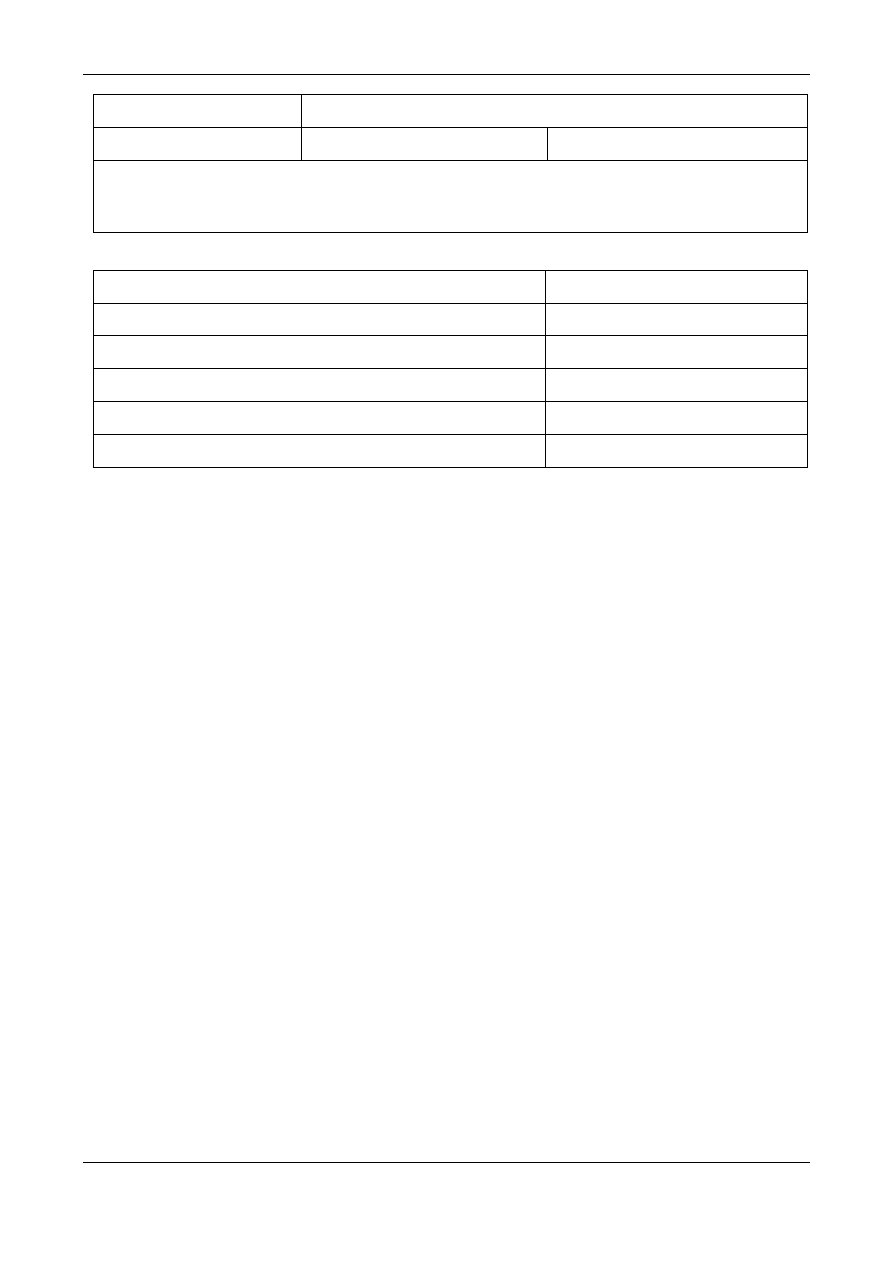
Sieve size (square mm)
Type 1 fine aggregate
Type 2 fine aggregate
W
ORKS
Second Edition -SEP 2020
Allowable range
Allowable range
9.5
100
a
minimum
100 minimum
4.75
95 to 100
a
95 to 100
2.36
68 to 86
a
-
1.18
47 to 65
a
45 to 80
0.600
27 to 42
a
-
0.300
9 to 20
b
10 to 30
0.150
0 to 7
b
2 to 10
0.075
0 to 2.5
b
0 to 2.5
a
Variation of 2 % under the minimum or over the maximum permitted on individual tests, provided the
average of three consecutive tests is within specified limits.
b
Variation of 0.5 % under the minimum or over the maximum permitted on individual tests, provided the
average of three consecutive tests is within specified limits.
Fine aggregate shall also be evaluated for the following:
•
Fineness: per AASHTO M 6
•
Soundness: per AASHTO M 6, using sodium sulphate
•
Sand equivalency: per AASHTO T 176, shall be at least 75
4.3.7.3
Coarse Aggregate
Coarse aggregate shall be gravel, crushed stone, or other inert material or combinations thereof,
having hard, strong, durable pieces free from adherent coatings. Coarse aggregate shall be
homogeneous, clean, and free from organic matter, mesh, alkaline, and extraneous or detrimental
material. Mesh material often appears with natural occurring aggregates. Orders to wash the coarse
aggregate may be made by the Engineer to remove deleterious material; or the Engineer may reject
material that does not comply with these Standard Specifications.
Coarse aggregates shall meet the requirements of AASHTO M 80, Class A, including the
supplementary reactive aggregate requirement and except as otherwise indicated in these Standard
Specifications. Coarse aggregate for cementitious material concrete shall conform to one or more of
the standard size grading shown in Table 4-11, whose source is Table 1 in AASHTO M 43.
Table 4-11: Grading of coarse aggregate for cementitious material concrete, allowable
range, percent by mass
Nominal Maximum Aggregate Size (mm)
Sieve size
(square mm)
37.5
25
19
12.5
9.5
50
100
-
-
-
-
37.5
95 to 100
100
-
-
25.0
-
95 to 100
100
-
-
19.0
35 to 70
-
90 to 100
100
-
12.5
-
25 to 60
-
90 to 100
-
W
ORKS
Second Edition -SEP 2020
Nominal Maximum Aggregate Size (mm)
Sieve size
(square mm)
37.5
25
19
12.5
9.5
9.5
10 to 30
-
20 to 55
40 to 70
85 to 100
4.75
0 to 5
0 to 10
0 to 10
0 to 15
10 to 30
2.36
-
0 to 5
0 to 5
0 to 5
0 to 10
1.18
-
-
-
-
0 to 5
In individual tests, a variation of 4 percentage points under the minimum or over the maximum shall be
allowed if the average of 3 consecutive tests is within the required limits.
Coarse aggregate shall contain no piece greater than 2 times the maximum sieve size for the
specified grading measured along the line of greatest dimension.
If the Engineer approves, coarse aggregate may be blended from other sizes under the following
conditions:
a. Resulting aggregate meets all requirements for the approved grading
b. Each size used makes up at least 5 % of the blend
c. Contractor supplies to the Engineer grading and proportions for the proposed sizes
Amount of deleterious substances in coarse aggregate shall not exceed the limits given in AASHTO
M 80 for Class A, with the following modifications:
1. Clay lumps shall not exceed 0.25 % by mass
2. For coarse aggregate with a single-face fracture content of at least 25 % by mass, material
finer than the 0.075 mm sieve may increase to 1.5 % by mass. Fracture requirement shall be
at least one fractured face and shall apply to the combined aggregate retained on the 4.75 mm
sieve per AASHTO T 335
3. Pieces with specific gravity less than 1.95 shall not exceed 2.0 % by mass
With the approval of the Engineer, reclaimed concrete aggregate may be used as coarse aggregate
for hydraulic cement concrete in accordance with AASHTO MP 16.
4.3.7.4
Combined Aggregate Gradation for Cementitious Material
Concrete
As an option to using coarse- and fine-graded aggregates for cementitious material concrete, a
combined gradation may be used. Combined aggregates shall consist of sand, gravel, crushed
stone, or other inert material or combinations thereof, having hard, strong durable particles free from
adherent coatings. Aggregates shall be washed to remove clay, loam, alkali, organic matter, silt,
bark, sticks, or other deleterious matter.
Deleterious substances shall be limited to the amounts shown in Table 4-12.
Table 4-12: Allowable combined aggregate contamination
Substance
Percent by mass
Clay lumps
0.3
Material finer than a 0.075 mm sieve
2.0
Pieces of specific gravity less than 1.95
2.0
W
ORKS
Second Edition -SEP 2020
Shale
1.0
Organic matter, by colourimetric test, shall not be darker than the reference standard colour (organic
plate No. 3) AASHTO T 21 unless other tests prove a darker colour to be harmless.
Los Angeles wear for material retained on the 4.75 mm sieve shall not exceed 35% after 500 revolutions,
per AASHTO T 96.
Nominal maximum aggregate size is defined as the largest sieve size to retain between zero and 10
% of the aggregate by mass. If a nominal maximum aggregate size is not specified, the Contractor
shall determine the nominal maximum aggregate size. In no case shall the maximum aggregate size
exceed:
1. One-fifth of the narrowest dimension between sides of the forms
2. One-third the depth of slabs
3. Three-fourths of the minimum clear spacing between individual reinforcing bars, bundles of
bars, or pre-tensioning strands.
Combined aggregate shall conform to the requirements of Table 4-13, based upon the nominal
maximum aggregate size.
Table 4-13: Combined aggregate gradation based on nominal maximum aggregate size,
percent by mass passing
Sieve size
(square mm)
Nominal maximum aggregate size (mm)
37.5
25.0
19.0
12.5
9.5
4.75
50
100
-
-
-
-
-
37.5
87 to
100*
100
-
-
-
-
25.0
-
82 to 100*
100
-
-
-
19.0
62 to 88
-
87 to 100*
100
-
-
12.5
-
57 to 83
-
81 to 100*
100
-
9.5
43 to 64
-
60 to 88
-
86 to 100*
100
4.75
29 to 47
34 to 54
41 to 64
48 to 73
-
68 to 100*
2.36
19 to 34
22 to 39
27 to 47
31 to 54
39 to 73
-
1.18
12 to 25
14 to 29
17 to 34
20 to 39
24 to 54
28 to 73
600 µm
7 to 18
8 to 21
9 to 25
11 to 29
13 to 39
16 to 54
300 µm
3 to 14
3 to 15
4 to 18
5 to 21
6 to 29
7 to 39
150 µm
0 to 10
0 to 11
0 to 14
0 to 15
0 to 21
0 to 29
75 µm
0 to 2.0
0 to 2.0
0 to 2.0
0 to 2.0
0 to 2.0
0 to 2.0
* = Nominal maximum size
Each component aggregate may be sampled by the Engineer prior to introduction to the weigh
batcher. Each component shall be sieve analysed alone per AASHTO T 27. All material components
shall be mathematically re-combined by proportions in a weighted average and supplied by the
Contractor.
W
ORKS
Second Edition -SEP 2020
4.3.7.5
Lightweight Aggregate
Lightweight aggregate shall conform to AASHTO M 195.
4.3.7.6
Aggregate for Kerb and Barrier
Fine aggregates for kerb and barrier shall be uniformly graded up to a maximum size of 9.5 mm and
shall contain sufficient fines to create the required surface finish. Coarse aggregates shall meet the
requirements for Size 67 in Table 4-11.
4.3.7.7
Mitigation for Alkali Silica Reactive (ASR) Aggregate
Alkali silica reaction (ASR) is an expansion mechanism that occurs over time in which the alkaline
cement paste reacts with silica in the aggregate or other concrete constituents causing spalling, loss
of strength, and even failure of the concrete. Mitigating measures for aggregates with expansions
from 0.21 % to 0.45 %, when tested in accordance with AASHTO T 303 or ASTM C1260, may be
accomplished by using low-alkali cement as per Article 4.3.1.1 above or by using 25 % Class F fly
ash by total weight of the cementitious materials. Alternative mitigating measures may be submitted
by the Contractor to the Engineer for approval test results per ASTM C1567 that demonstrate the
mitigation, when used with the proposed aggregate, controls expansion to 0.20 % or less. To verify
its effectiveness, the Engineer may test the proposed ASR mitigation measure. In the event of a
dispute, the Engineer
’s results shall prevail.
Mitigating measures for aggregates with expansions greater than 0.45 % when tested in accordance
with AASHTO T 303 or ASTM C1260 shall include the use of low-alkali cement per Article 4.3.1.1
and may include the use of fly ash, lithium compound admixtures, ground granulated blast-furnace
slag, or other material, as approved by the Engineer. Contractor shall submit evidence in the form of
test results from ASTM C1567 to the Engineer that demonstrate the proposed mitigation, when used
with the aggregates proposed, will control the potential expansion to 0.20 % or less before the
aggregate source may be used in concrete. Engineer may test the proposed ASR mitigation measure
to verify its effectiveness. In the event of a dispute, the Engineer
’s results shall prevail.
ASTM C1293 sampling and testing must be coordinated through the Engineer. Cost of sampling,
testing, and processing shall be borne by the Contractor.
4.3.7.8
Tests and Acceptance
Aggregates for use in hydraulic cement concrete shall be tested per the following standards:
Table 4-14: Acceptance tests for coarse and fine aggregate
Material attribute
Standard
Compressive strength
ASTM C39M or AASHTO T 22
Organic impurities
ASTM C40M or AASHTO T 21
Mortar strength
ASTM C87M or AASHTO T 71
Soundness
ASTM C88 or AASHTO T 104
1
Coal and lignite
ASTM C123M or AASHTO T 113
Sieve analysis
ASTM C136 or AASHTO T 27
Coarse aggregate shall withstand at least five cycles of immersion and drying in both sodium sulfate and
magnesium sulfate solutions, as prescribed in the soundness test, and shall show an average weight loss
of not more than 12 %.
Previously approved materials may be rejected if subsequent tests do not reflect compliance with
the requirements of the specified standards.
Нет комментариевНе стесняйтесь поделиться с нами вашим ценным мнением.
Текст